


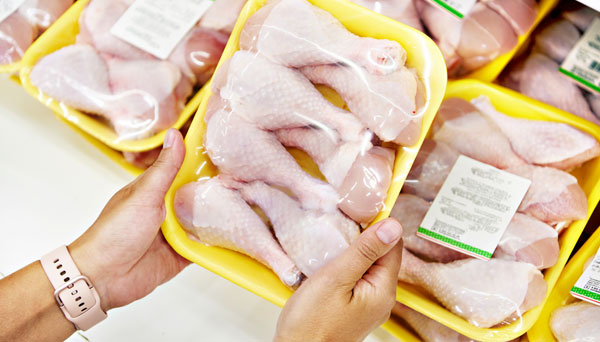
UK meat prices rose throughout 2025, driven by tighter supply, higher operating costs, and ongoing market disruption.
While beef saw the steepest increases, inflation was felt across all major proteins, including lamb and poultry.
Industry Pressures
Poultry price rises were more moderate than beef, but still consistent across the year. This was largely due to supply disruption, particularly from avian influenza, which reduced flock sizes, limited processing capacity and affected the availability of certain cuts.
At the same time, producers faced rising labour, compliance, and production costs. These pressures have filtered through the market, making it harder for suppliers to absorb increases without impacting selling prices. Despite this, poultry remains one of the most affordable and versatile proteins, helping to support steady demand.
Animal Welfare
Beyond pricing, laying hen welfare has become an increasingly important issue. The Government’s Animal Welfare Strategy proposes a move away from enriched colony cages, which currently house a significant proportion of hens but restrict natural behaviours such as dustbathing, wing-flapping and foraging. Over time, these systems would be phased out, with a shift towards free-range and barn production.
While welfare improvements are widely supported, there are ongoing concerns around the practical impact on costs, supply, and competitiveness — particularly if UK standards move faster than those applied to imported products.
Looking Ahead
As the industry moves into 2026, stability will depend on how quickly supply can recover and whether cost pressures begin to ease. For poultry, biosecurity, productivity, and efficient sourcing will remain critical.
At Reids of Norwich, we continue to work closely with our partners to manage these challenges — maintaining continuity of supply, clear pricing, and flexible solutions across all protein categories.
Source:
Poultry News: Meat prices rise 15.91% during 2025
