


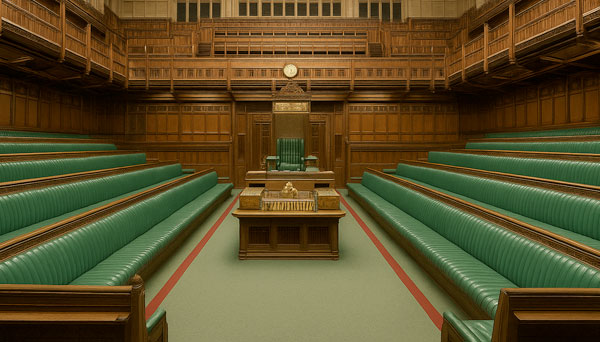
A recent parliamentary vote has brought renewed attention to the UK’s trading relationship with the European Union.
Thirteen Labour MPs supported a proposal calling for discussions on whether the UK should explore closer alignment with the EU Customs Union, reopening a debate that has been largely dormant since the post-Brexit transition period. Although the vote does not create any immediate policy change, it signals a growing interest in addressing the trade frictions that have affected UK–EU goods movement over the past four years.
Why the Customs Union Matters
The EU Customs Union removes tariffs between member states, applies a common external tariff to goods entering from outside the bloc, and simplifies the movement of goods by eliminating rules-of-origin checks. Since the UK left the Customs Union in 2021, businesses trading with the EU have faced increased customs paperwork and higher administrative demands, along with rules-of-origin compliance requirements that add further complexity. Border delays linked to SPS checks have also become more frequent, presenting additional challenges for perishable and temperature-controlled goods where timing is critical. These changes have reshaped trading conditions and continue to influence the way goods move between the UK and the EU.
Potential Impacts on Food and Agriculture
If future discussions were to lead to a revised customs arrangement or a more limited sector-specific approach, the benefits for industries dependent on time-sensitive supply chains could be significant. Reduced delays at border crossings, streamlined customs processes and lighter documentation requirements would help create a more reliable trading environment. Even modest reductions in friction can make a noticeable difference for chilled, frozen, and short-life products, where any interruption to the flow of goods can affect quality, shelf life and commercial outcomes.
What Happens Next?
At this stage, the proposal represents political signalling rather than a formal shift in UK trade policy. However, it highlights a broader recognition of the pressures faced by UK–EU supply chains and the potential advantages of revisiting aspects of the current trading arrangements. Industry stakeholders, logistics providers, and traders will be watching closely as the debate develops, particularly as discussions around improving cross-border trade continue to gather momentum.
Sources:
BBC: Thirteen Labour MPs vote for talks on joining EU customs union
UK Parliament: UK-EU customs union (duty to negotiate):Ten Minute Rule Motion
